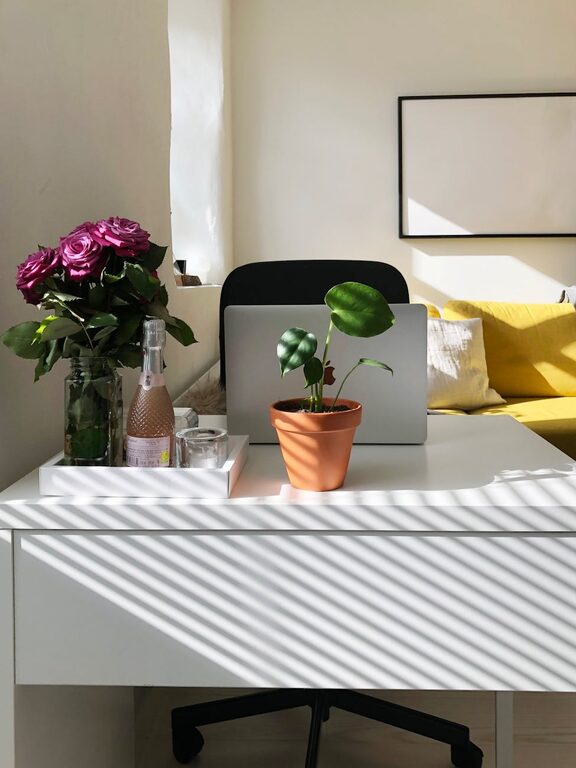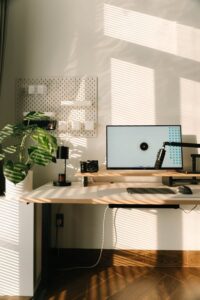



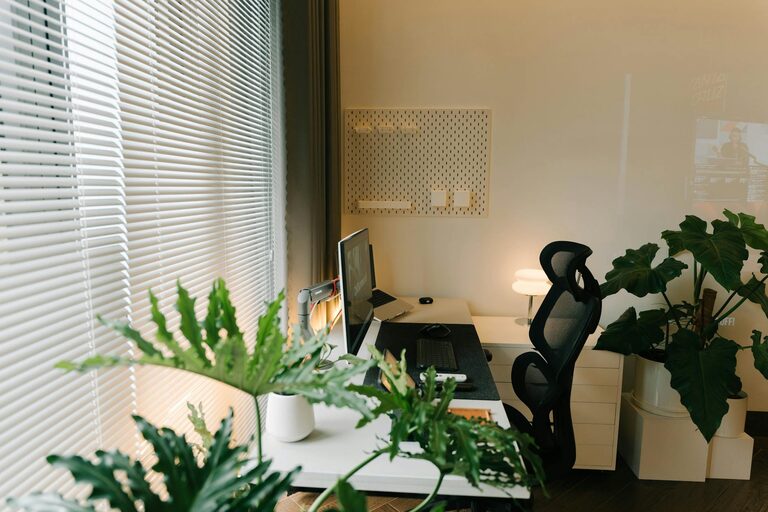
Creating a cozy and productive home workspace is essential for anyone who spends a significant amount of time working from home. A well-designed workspace can boost your focus, reduce stress, and make your workday more enjoyable. Whether you have a dedicated room or just a small corner in your living area, there are practical ways to optimize your setup for comfort and efficiency. In this post, we’ll explore helpful tips to create a home workspace that suits your needs and enhances your productivity.
Choose the Right Location
Selecting the ideal spot for your home workspace sets the foundation for productivity.
– Quiet and Private: Pick a location away from high-traffic areas to limit noise and distractions.
– Natural Light: Position your desk near a window if possible, as natural light improves mood and focus.
– Ventilation: Good airflow keeps the space fresh and comfortable throughout the day.
If space is limited, consider using room dividers or noise-cancelling headphones to create a sense of separation from the rest of your home.
Invest in Comfortable and Ergonomic Furniture
Your furniture choices directly impact your comfort and health during long work hours.
– Ergonomic Chair: Choose a chair that supports your back, promotes good posture, and can be adjusted to your height.
– Appropriate Desk: Find a desk that fits your space and allows for comfortable placement of your computer, keyboard, and other tools.
– Desk Accessories: Consider items like an adjustable laptop stand, wrist rests, or a footrest to improve ergonomics.
Comfortable furniture helps prevent aches and strains, keeping you energized and focused.
Organize and Declutter Your Space
A tidy workspace encourages productivity and reduces stress.
– Minimal Essentials: Keep only frequently used items on your desk to avoid clutter.
– Storage Solutions: Use shelves, drawers, or storage boxes to neatly organize supplies.
– Cable Management: Use clips or cable organizers to keep cords out of the way for a clean look.
Establish a daily or weekly routine to tidy your workspace and avoid accumulation of unnecessary items.
Personalize Your Workspace
Adding personal touches makes your workspace more inviting and can boost creativity.
– Plants: Incorporate greenery to improve air quality and add a calming element.
– Artwork or Photos: Display a few favorite images or motivational quotes.
– Soft Textures: Add a cozy throw blanket or a comfortable cushion to your chair.
Personalization turns your workspace into a place you enjoy spending time, which enhances motivation.
Pay Attention to Lighting
Proper lighting is crucial to reduce eye strain and keep you alert.
– Layered Lighting: Combine ambient lighting with task lighting, such as a desk lamp.
– Adjust Brightness: Choose adjustable lamps to control the intensity depending on the time of day.
– Avoid Glare: Position screens and lights to minimize glare and reflection.
Good lighting supports prolonged focus and reduces fatigue.
Incorporate Healthy Habits
Your workspace should support not just your tasks, but also your well-being.
– Regular Breaks: Use alarms or apps to remind you to stand, stretch, or walk around every hour.
– Hydration Station: Keep a water bottle nearby to stay hydrated.
– Clean Air: Use an air purifier or open windows regularly for fresh air flow.
Healthy habits integrated into your workspace routine improve concentration and energy.
Use Technology Wisely
Technology can enhance or detract from your productivity depending on how it is managed.
– Reliable Equipment: Invest in a fast computer, stable internet connection, and quality peripherals.
– Productivity Tools: Leverage apps for organization, time management, and communication.
– Limit Distractions: Turn off non-essential notifications and use focus modes during work periods.
Set boundaries with technology to enhance your workflow and reduce interruptions.
Establish a Routine and Boundaries
Creating structure helps maintain work-life balance.
– Consistent Schedule: Set regular work hours to create predictability.
– Work Zones: Keep work within your designated space to mentally separate it from relaxation areas.
– Clear End of Day: Develop a routine to ‘close’ work, such as shutting down your computer and tidying your desk.
Routines and boundaries help maintain focus during work and allow for relaxation afterward.
—
Creating a cozy and productive home workspace is about balancing functionality and comfort. By carefully choosing your location, investing in ergonomic furniture, organizing your supplies, personalizing your space, and adopting healthy habits, you can foster an environment where work feels less like a chore and more like a fulfilling activity. Remember that your workspace should reflect your needs and preferences — don’t hesitate to experiment until you find the perfect setup that inspires and supports your best work.