


Creating a cozy and inviting home workspace is essential for maintaining focus and enjoying your work-from-home routine. Whether you have a dedicated room or just a small corner, the way your workspace looks and feels can significantly impact your mood and productivity. Here are some practical tips to help you design a comfortable and inspiring home office.
Choose the Right Location
Find a Quiet Spot
Opt for a space with minimal distractions. This could be a spare room, a corner of the living room, or even a section of your bedroom. The key is to pick a spot where you can work peacefully and focus.
Maximize Natural Light
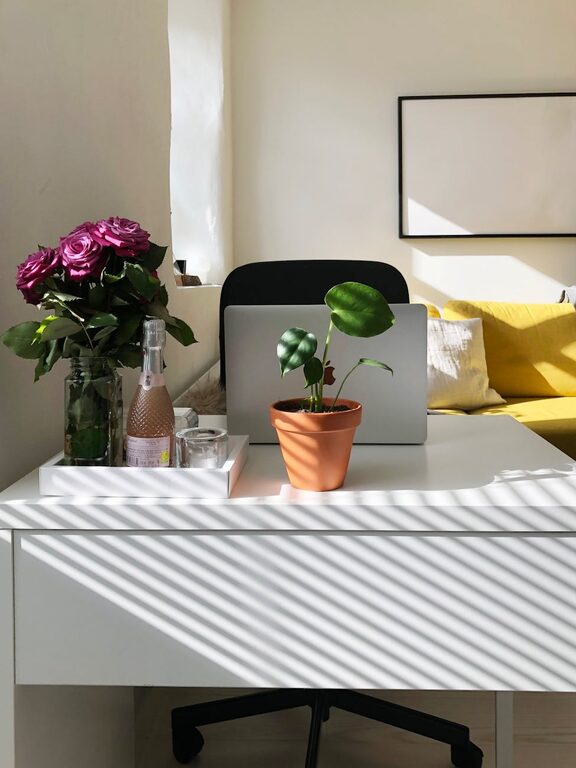
Natural light boosts energy and reduces eye strain. Set your desk near a window if possible. If natural light is limited, choose warm, soft artificial lighting to avoid harsh glare.
Invest in Comfortable Furniture
Ergonomic Chair and Desk
Comfort is critical since you may spend several hours working. Look for an adjustable chair that supports your back and a desk at the right height. Ergonomic furniture helps prevent discomfort and posture problems.
Desk Space and Storage
A desk with enough space for your computer, notebooks, and other essentials prevents clutter. Consider desks with built-in storage or add shelves and organizers to keep things tidy.
Personalize Your Workspace
Add Your Favorite Colors
Colors influence mood. Soft, calming tones like blues and greens promote focus, while warm colors like yellows and oranges can boost creativity. Use paint, accessories, or artwork to bring your favorite colors into the space.
Include Personal Touches
Display photos, inspiring quotes, or meaningful objects. These items make your workspace feel welcoming and motivate you throughout the day.
Organize for Efficiency
Declutter Regularly
Keep only what you need on your desk. Regularly clear away papers, cords, and other items to maintain a neat area. A clutter-free workspace reduces stress and helps you find things quickly.
Use Storage Solutions
Use trays, baskets, and file organizers to keep office supplies and documents in order. Label containers to save time when searching for items.
Enhance Comfort with Lighting and Temperature
Layer Your Lighting
Combine task lighting (like a desk lamp) with ambient lighting to create a balanced, comfortable environment. Adjustable lamps let you focus light where you need it most.
Keep the Room Comfortable
Ensure your workspace has good ventilation. Use a fan or heater if necessary to maintain a comfortable temperature, which can help you stay focused.
Incorporate Plants and Greenery
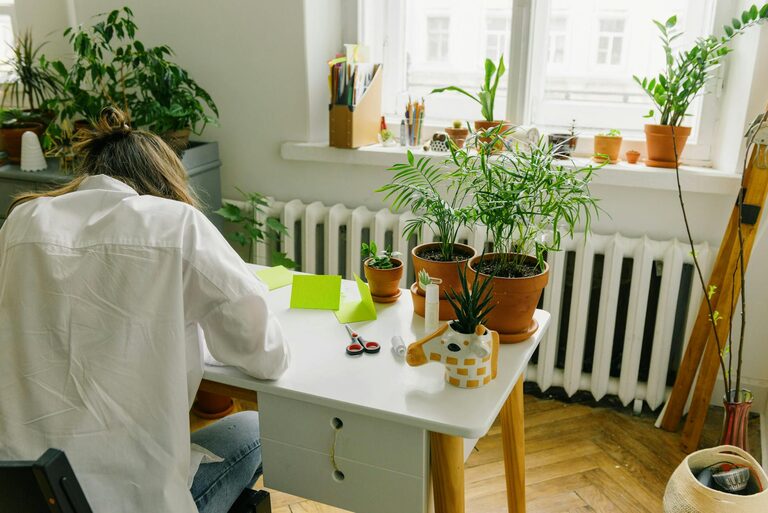
Adding plants is an easy way to bring life and freshness to your office. They improve air quality and create a calming atmosphere. Choose low-maintenance plants like succulents or snake plants if you don’t have a green thumb.
Minimize Noise Distractions
Use Noise-Canceling Headphones
If your home is noisy, a pair of noise-canceling headphones can help you concentrate.
Add Soft Furnishings
Curtains, rugs, and cushions can absorb sound and reduce echo, creating a quieter workspace.
Set Boundaries and Routine
Define Work Hours
Establish specific start and end times to maintain work-life balance. When you leave your workspace, it’s easier to relax.
Take Regular Breaks
Stand up, stretch, or go for a short walk to refresh your mind and body.
—
Creating a cozy and inviting home workspace doesn’t have to be complicated or expensive. Focus on comfort, organization, and personalization to design a space where you can work effectively and enjoyably. Small changes can make a big difference in turning a simple room or corner into an inspiring place to be productive every day.