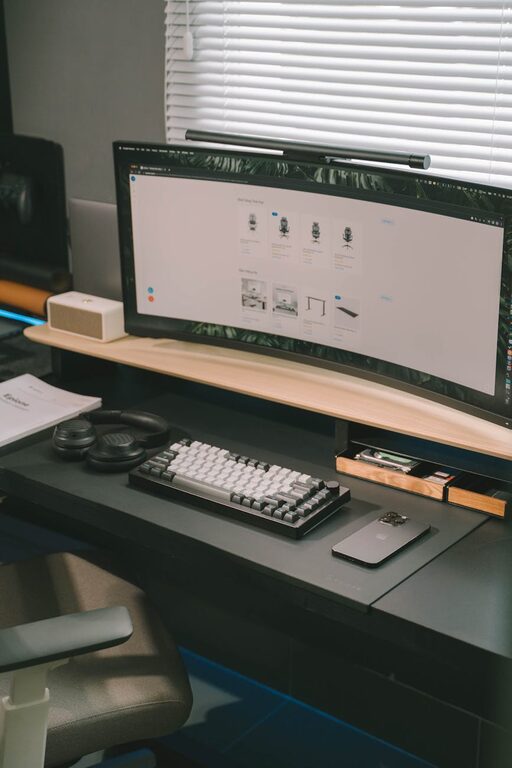
Creating an engaging home office setup can significantly impact your productivity and comfort throughout the workday. Whether you work remotely full-time or occasionally need a dedicated space, designing a workspace that motivates you and supports your tasks is essential. Below are practical tips to help you set up an efficient and comfortable home office.
Choose the Right Location
Selecting the best spot for your home office is the first step. Here are some factors to consider:
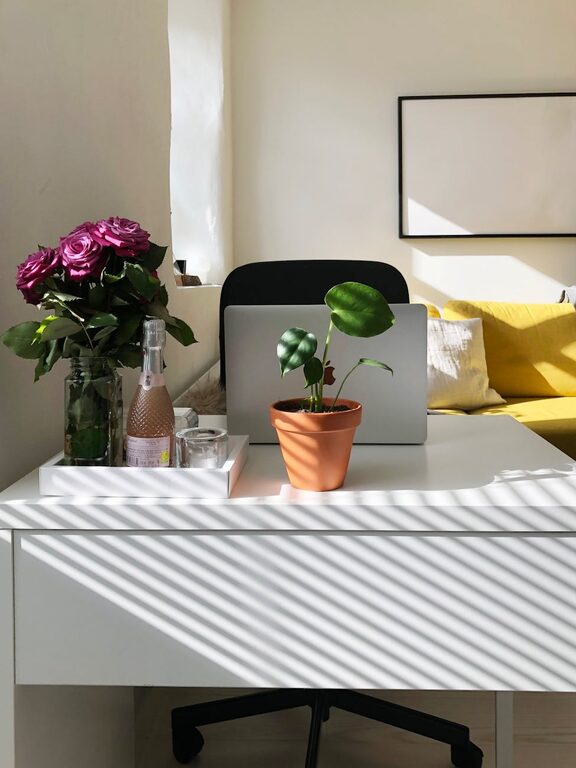
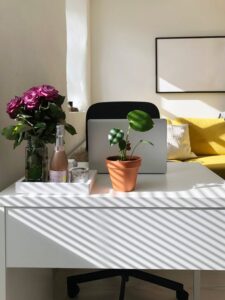
– Natural Light: Aim for a space with plenty of natural light. Sunlight can uplift your mood, reduce eye strain, and help regulate your natural body clock.
– Quiet Environment: Choose a quiet corner or room where distractions are minimal. This allows you to focus better on your work.
– Good Ventilation: Fresh air improves concentration and comfort, so ensure the area can be ventilated easily.
Invest in Ergonomic Furniture
Comfort plays a key role in maintaining productivity. Ergonomic furniture supports good posture and reduces discomfort.
– Chair: Opt for an adjustable chair with lumbar support to reduce back pain.
– Desk: Choose a desk with enough surface area to organize your tools and devices without clutter.
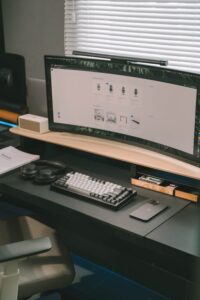
– Monitor Stand: Elevate your monitor to eye level to avoid neck strain.
– Keyboard and Mouse: Use ergonomic models that fit your hand comfortably.
Organize Your Workspace Efficiently
A tidy and well-organized workspace helps you focus and saves time looking for supplies.
– Declutter Regularly: Remove unnecessary items to keep the desk clear.
– Storage Solutions: Use shelves, drawers, or filing cabinets to store documents and office supplies.
– Cable Management: Use cable organizers or clips to keep cords neat and prevent tangles.
– Essential Tools Only: Keep frequently used items within arm’s reach and store less-used equipment away.
Incorporate Personal and Motivational Elements
Adding personal touches can make your home office more inviting and inspiring.
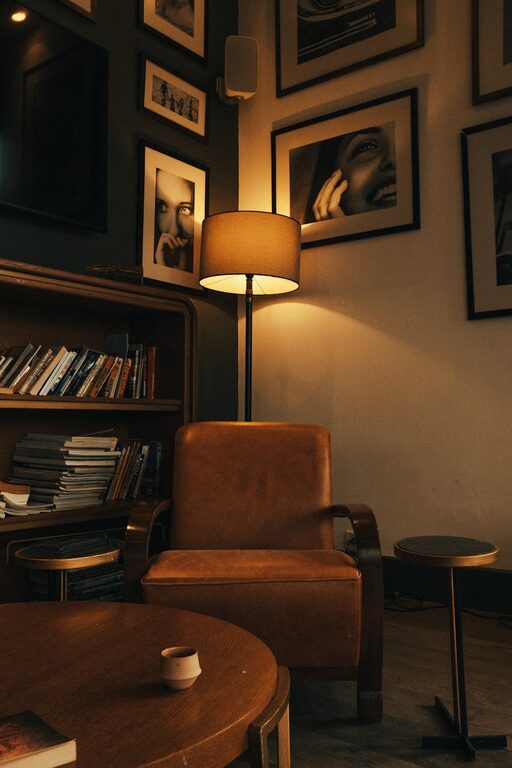
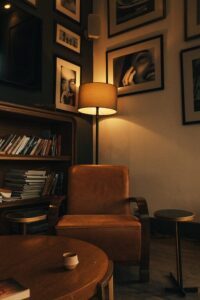
– Artwork or Photos: Hang art or family photos to create a pleasant atmosphere.
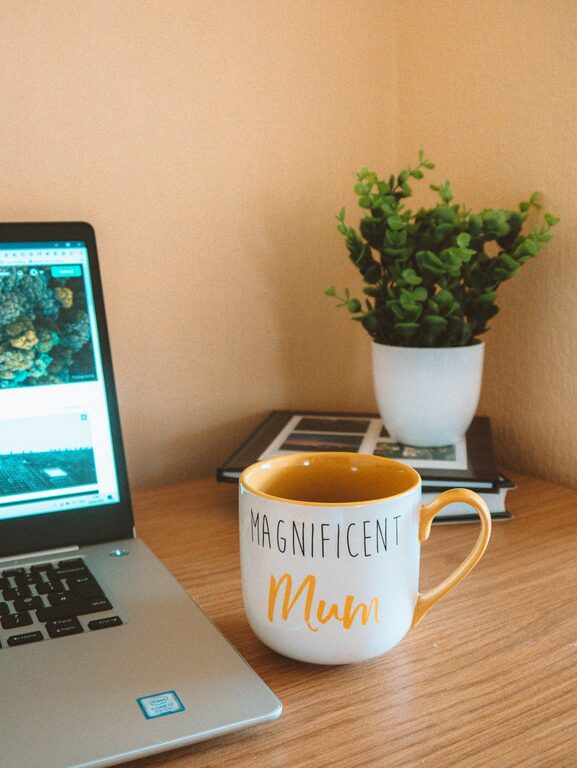
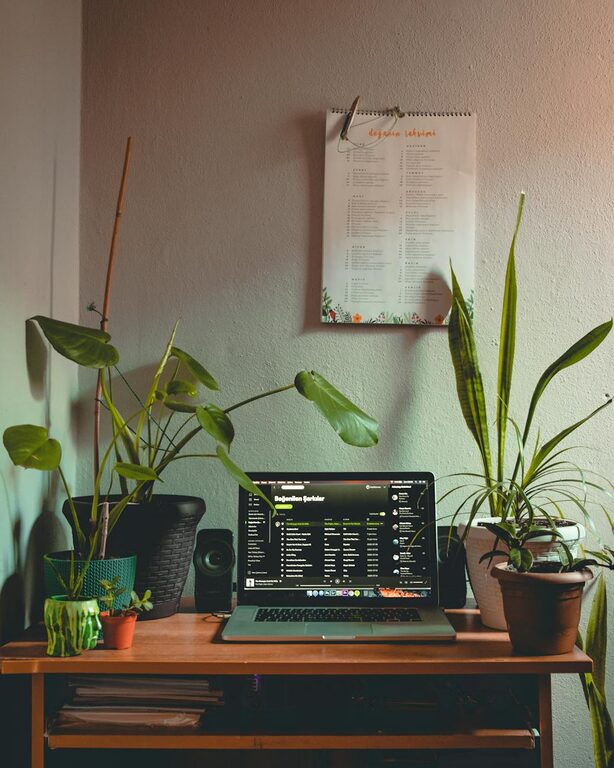
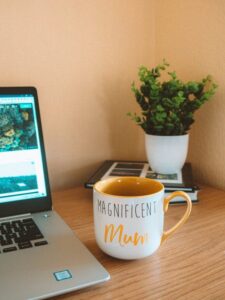
– Plants: Indoor plants improve air quality and add a touch of nature.
– Motivational Quotes: Display quotes or reminders to stay motivated throughout the day.
Optimize Technology and Lighting
Having the right technology and lighting setup will make your work smoother and less tiring.
– Reliable Internet: Ensure your internet connection is stable and fast enough for video calls and uploads.
– Multiple Screens: Consider using dual monitors for multitasking.
– Task Lighting: Use adjustable desk lamps with soft white bulbs to reduce eye strain, especially during evening hours.
– Noise-Cancelling Headphones: If noise is a concern, these can help you concentrate better.
Implement Healthy Work Habits
Your home office setup should support not just your work but your well-being.
– Regular Breaks: Set reminders to stand, stretch, and rest your eyes every hour.
– Hydration Station: Keep a water bottle nearby to stay hydrated.
– Proper Posture: Pay attention to your sitting posture and adjust your furniture if necessary.
– Separate Work and Relaxation Areas: If possible, keep your office area distinct from places where you relax to help maintain work-life balance.
Personalize Your Routine
Tailor your workspace and schedule to fit your unique needs.
– Flexible Hours: Work during your most productive hours when possible.
– Background Music or Silence: Find what works best for your concentration.
– Use Planning Tools: Calendars, to-do lists, and apps help you stay organized and focused.
Maintain Your Workspace
Regular upkeep prevents the space from becoming a source of stress.
– Daily Tidying: Spend a few minutes each day organizing your desk.
– Weekly Deep Clean: Dust, vacuum, and clean surfaces to keep your space fresh.
– Update Equipment: Replace or repair tools as needed to avoid interruptions.
—
Designing a home office that balances comfort and productivity is achievable with thoughtful planning and consistent maintenance. By applying these tips, you can create a workspace that supports your professional goals and personal well-being.