


Creating a cozy and inviting home workspace is essential for anyone who spends a significant amount of time working from home. A well-designed workspace not only improves productivity but also enhances comfort and well-being. Whether you have a dedicated room or just a small corner, these tips will help you set up a space that feels warm, welcoming, and inspiring.
Choose the Right Location
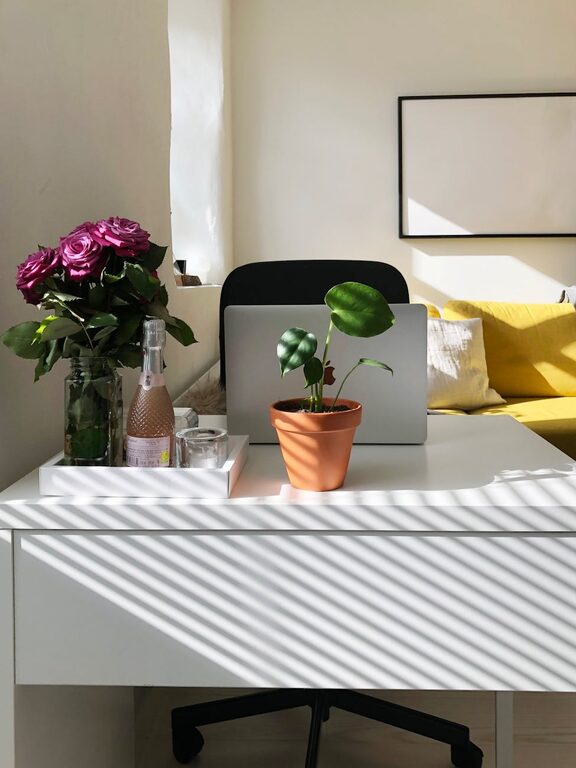
The foundation of a cozy workspace is where you place it. Ideally, select a spot in your home that receives plenty of natural light. Daylight can uplift your mood and reduce eye strain. If natural light is limited, invest in quality lighting options that are soft but bright enough for tasks.
Avoid areas with heavy foot traffic or loud noise, which can be distracting. If you don’t have a separate room for your workspace, consider using room dividers or shelving units to create a sense of separation.
Invest in Comfortable Furniture
Comfort is key when setting up your workspace. Choose a supportive chair with adjustable height and good lumbar support to keep your posture healthy during long work hours. If space allows, a desk with ample surface area helps to keep your work organized and clutter-free.
Consider a standing desk or a desk converter if you want the flexibility to alternate between sitting and standing. Adding a footrest can also enhance comfort.
Personalize Your Space
Adding personal touches to your workspace can make it feel more inviting. Decorate with items that inspire you, such as artwork, photographs, or small plants. Plants not only add color but also improve air quality and bring a bit of nature indoors.
Choose accessories that reflect your style while maintaining functionality, such as colorful organizers, a favorite mug for pens, or a cozy blanket draped over your chair.
Keep It Organized
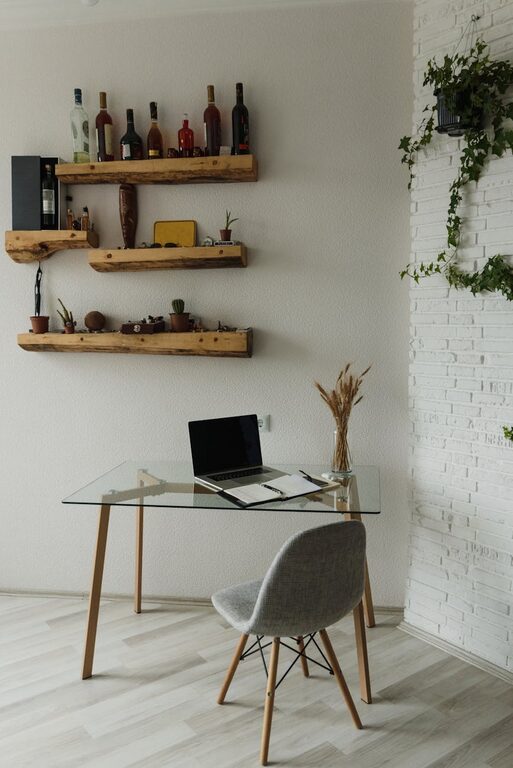
Clutter can be both physically and mentally draining. Make use of storage solutions like shelves, drawers, and baskets to keep your workspace tidy. Use cable organizers to manage cords and prevent tangles.
A clean and organized space allows you to focus better and helps create a calm atmosphere.
Pay Attention to Lighting
Good lighting is crucial for a cozy workspace. Use a combination of overhead lighting and task lighting, such as a desk lamp with adjustable brightness. Warm light bulbs (2700K to 3000K) create a relaxing environment, while cooler bulbs (4000K to 5000K) can improve alertness.
Position your desk near windows to benefit from natural light without causing glare on your computer screen.
Use Soothing Colors and Textures
Colors can affect how you feel in your workspace. Soft, neutral tones like beige, light gray, or pastel shades promote calmness and focus. If you prefer vibrant colors, use them as accents through accessories or wall art.
Incorporate different textures to add warmth, such as a plush rug underfoot, a knitted throw, or textured wall art. These elements help create a cozy atmosphere that invites you to spend time in your workspace.
Manage Noise Levels
Noise can be a major distraction. If you live in a noisy environment, consider soundproofing options or noise-cancelling headphones. A white noise machine or gentle background music can also help mask disruptive sounds and maintain concentration.
Maintain Good Air Quality
Fresh air contributes to a healthy and inviting workspace. If possible, open windows regularly to allow ventilation. Adding indoor plants is another way to improve air quality naturally.
Consider an air purifier if you live in an area with poor air quality or if allergens are a concern.
Incorporate Break Areas
If space permits, designate a small area for breaks. A comfortable chair or a small couch nearby encourages you to step away from your desk and relax, preventing burnout and improving productivity when you return to work.
Keep Technology User-Friendly
Make sure your technology setup supports your workflow without adding stress. Invest in reliable devices, a good-quality monitor, and ergonomic peripherals like a keyboard and mouse. Cable management and wireless options help keep the space neat and efficient.
Set Boundaries for Work and Relaxation
Finally, create clear boundaries between your workspace and personal areas. Use visual cues such as a curtain, a rug, or changes in decor to differentiate the workspace. When your workday ends, physically leaving the workspace or closing your laptop signals to your brain that it’s time to switch off.
—
By following these tips, you can transform any space in your home into a cozy and inviting workspace that supports your productivity and comfort. Remember, the best home workspace reflects your personality while meeting your practical needs. Take time to personalize and adjust your setup as you discover what works best for you.